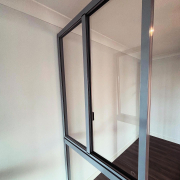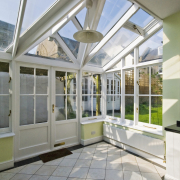
Greenhouse with Aluminium Double Glazed Windows

Energy-Efficient Aluminium Windows For The Gold Coast Climate: Double Glazing, Low-E Glass & Thermal Breaks

On a hot summer afternoon, the wrong windows turn your home into a greenhouse and your air-conditioner into a full-time job. Most homeowners focus on insulation, ceiling fans and solar panels when trying to cut energy costs, but windows are often the biggest culprit. Modern aluminium windows on the Gold Coast have come a long way, with double glazing and specialised glass coatings now making a real difference to how comfortable your home feels and what you spend keeping it that way.

Why Energy Efficiency Matters for Gold Coast Homes (Heat, Humidity, UV)

Heat, humidity and relentless sun for a good portion of the year. All three put pressure on windows on the Gold Coast in ways that cooler parts of Australia simply don’t experience.

Heat comes first. Windows can be responsible for up to 40% of the unwanted heat entering a home, and when temperatures are regularly sitting above 30°C from October through April, that adds up quickly on your power bill. Humidity makes things worse, because warm, moist air sneaking in through gaps around old or poorly fitted frames means your air-conditioner has to work harder just to keep the room feeling bearable. Then there’s UV, which is easy to forget about until your flooring starts to fade or your furniture looks washed out after a few summers.

The knock-on effects are ones most homeowners in this climate will recognise:

  • North and west-facing rooms that feel hot no matter how hard the air-con runs
  • Power bills that stay high through the warmer months despite efforts to cut back
  • Faded flooring, furniture & curtains from years of UV exposure through untreated glass
  • Draughty or poorly sealed frames that let humid air in & cool air out

How Aluminium Window Performance Has Improved (Thermal Breaks vs Older Frames)

Aluminium has always been a practical choice for Australian homes. It handles coastal conditions well, it’s tough and it needs very little upkeep. The old knock against it was that metal conducts heat so efficiently that the frames themselves would get hot and transfer that heat straight into the room.

That problem has been largely solved by what’s known as a thermal break. It’s a strip of non-conductive material, usually a dense nylon compound, that sits between the inner and outer parts of the aluminium frame and stops heat from travelling through. The frame stays cooler, the room stays more comfortable and the whole window performs much better as a result.

Today’s aluminium windows have improved in other ways too:

  • Better seals & locking systems that close up much tighter than older sliding or single-seal designs, reducing draughts significantly
  • Stronger profiles that can hold thicker, heavier glass without any structural issues
  • Alloy & coating options that stand up to the salt air in beachside & coastal suburbs

Double Glazing Explained — How It Works & Key Benefits

Double glazing simply means two panes of glass with a gap between them, sealed shut. That gap, usually filled with a gas like argon, acts as a buffer that slows down heat moving through the window in either direction.

A single pane of standard glass does very little to stop heat transfer. Double glazing on the Gold Coast roughly halves the amount of heat that gets through, which in a Queensland summer makes a noticeable difference to how your home feels and how long the air-con needs to run. The benefits go beyond temperature too:

  • Less outside noise gets through, which is handy if you’re near a busy road, the beach strip or under a flight path
  • Condensation on the inner glass surface becomes much less of an issue, which means less moisture, less mould risk & less wiping down of window frames
  • Once the unit is sealed, there’s nothing inside it to clean or maintain

Low-E Glass & Glazing Options

Low-E stands for low-emissivity, which sounds technical but really just means the glass has a very fine invisible coating that reflects heat rather than letting it pass through freely. You can’t see it, but it does a lot of work.

For homes in a hot, sunny climate, the most useful type is solar control Low-E, which is designed to bounce back the sun’s heat before it gets inside. There’s also a type focused more on keeping warmth in during winter, which is less of a priority here but can be combined with solar control for year-round performance.

Other glass options worth knowing about:

  • Tinted glass: a cost-effective way to reduce glare & solar heat, though it does make rooms a bit darker
  • Laminated glass: two panes bonded together, blocks up to 99% of UV radiation & is also a safer option if the glass is ever broken
  • Reflective glass: the strongest option for blocking solar heat, though it creates a mirror-like exterior finish that some councils have restrictions on

Understanding Energy Ratings (WERS, U-Value, SHGC)

When you’re comparing windows, three numbers come up regularly. They’re not as complicated as they look.

WERS stars are the simplest place to start. The Window Energy Rating Scheme rates windows for different Australian climate zones, so look for the cooling star rating for Zone 2, which covers the Gold Coast. Four stars and above is a reasonable target, with five or more representing genuinely good performance for this climate.

U-value is a measure of how much heat moves through the whole window, frame and glass included. The lower the number, the better the window holds back heat. A good double-glazed thermally broken window will have a U-value several times lower than a standard single-glazed aluminium frame.

SHGC stands for Solar Heat Gain Coefficient and it’s arguably the most important number for a Queensland home. It tells you what proportion of the sun’s energy passes through the glass and into your home as heat. Standard clear glass lets through around 87% of it. A quality double-glazed window with a Low-E coating can cut that to somewhere between 20 and 35%, which is a dramatic reduction in the heat your air-conditioner has to deal with.

Cost vs Long-Term Energy Savings

Double-glazed windows with thermal breaks and Low-E glass do cost more than a standard single-glazed replacement. As a rough guide, you’re looking at 20 to 40% more per window, and for a full replacement across a four-bedroom home, the total premium typically depends on the size and number of windows. That said, energy-efficient windows on the Gold Coast are increasingly seen as a long-term investment rather than an upfront cost.

Whether that stacks up financially depends on your home, but the factors that support the investment include:

  • Homes that upgrade to double-glazed Low-E windows typically see cooling energy savings of 20 to 30%, which adds up year after year
  • The comfort improvement is immediate, which tends to mean the air-con gets used less, regardless of what the power bill says
  • Better-rated windows can lift your home’s NatHERS energy score, which is becoming a more meaningful factor for buyers in the current market
  • Government rebate programs at both the state and federal levels periodically cover energy efficiency upgrades, so it’s worth checking what’s available at the time you’re buying

What Makes Double Glazing on the Gold Coast Worth It

In a climate defined by intense heat, high humidity and strong UV year-round, the case for double glazing isn’t just about energy bills. It’s about a home that stays comfortable without the air-con running flat out, windows that don’t fade your furniture or let in damp air and a building that holds its value as energy performance becomes a bigger consideration for buyers. Taken together, those benefits add up to something that’s hard to put a single dollar figure on.

We at Southern Cross Windows know the conditions local homes on the Gold Coast deal with every day: the relentless summer heat, the humidity and the salt air that puts building materials to the test year-round. It’s what shapes every conversation we have with homeowners looking to upgrade their windows or replace old frames that just aren’t doing the job anymore.

If you’re renovating, building new or simply tired of a home that’s hard to keep cool, we’d love to help. Get in touch with our team to talk through your options and find out what the right windows could do for your comfort and your running costs.
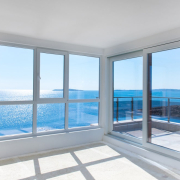
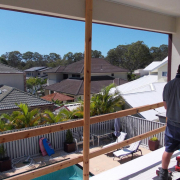
Standard Window Size In Australia

Standard Window Sizes In Australia: A Gold Coast Aluminium Windows Guide

If you’re building a new home, buying a property or considering replacing older windows, understanding standard window sizes in Australia is an important first step. For homeowners researching aluminium windows on the Gold Coast, there’s an added consideration: the Gold Coast’s subtropical climate and coastal conditions mean the right sizing and material choice can make a real difference to comfort, ventilation and long-term performance. Whether you’re looking at standard window sizes on the Gold Coast or comparing options across suppliers, opting for standard-sized windows can save you both time and money – though it’s not always possible depending on the property you’re working on and its existing dimensions. This guide covers what standard sizes are available for windows on the Gold Coast, how to measure accurately, which styles suit different rooms and when custom sizing is the better call.

What Are Standard Window Sizes in Australia?

There is no agreed national standard window size used across the whole of Australia. It is more accurate to say that there are very common window sizes that many window manufacturers will use when making pre-made windows and fittings. Standard window fittings in Australia should be made to match brick openings, and the range of sizes available will differ slightly between companies, as well as between window types.

For most window types, a wide range of sizes will be available as standard from most suppliers. Sliding windows at the outer edges of the range may be more difficult to find, but they should still be available in a pre-made build. Usually, opting for a standard size window over a custom size window – unless the build of your property requires a custom window – means changing the size of your window by millimetres while saving you hundreds of dollars. The full breakdown of standard window sizes in Australia by window type is covered in the section below.

Standard Aluminium Window Sizes (Width × Height)

Aluminium is the most widely used window frame material across Australia, and the table below reflects the standard size ranges most suppliers stock or produce regularly. Sizes can vary slightly between manufacturers, but this gives a reliable reference point for planning a new build or replacement project.

Window Type Common Width Range Common Height Range Notes
Sliding 600 mm to 2100 mm 610 mm to 2650 mm Available in 1, 2 or 3-panel configurations
Awning 600 mm to 1800 mm 450 mm to 1200 mm Hinged at top; well suited to ventilation
Casement 400 mm to 1200 mm 600 mm to 2100 mm Side-hinged; suits narrower openings
Double-Hung 510 mm to 1200 mm 900 mm to 2100 mm Both sashes slide vertically
Fixed Lite 300 mm to 2400 mm 300 mm to 2400 mm No opening sash; maximises natural light

Sizing increments within these ranges are typically 100 mm to 150 mm steps. Windows at the outer edges of a range are generally still available without full custom fabrication, though they may carry a slightly longer lead time. For windows on the Gold Coast, Southern Cross Windows manufactures locally, which helps keep lead times and costs competitive across both standard and near-standard sizing.

Standard vs Custom-Made Window Sizes on the Gold Coast

One of the most common questions when researching standard window sizes on the Gold Coast is whether to go with a standard size or order custom. The answer usually comes down to your existing opening, your timeline and your budget.

Standard sizes are the right choice when:

  • Your brick or frame opening already aligns with a common dimension
  • You are working to a tight renovation timeline
  • You want to keep costs predictable

Custom sizing is worth considering when:

  • The existing opening does not align with any standard dimension, which is common in older Queensland homes with non-standard brick coursing
  • You are specifying large architectural windows or feature glazing
  • You are matching heritage or period-style proportions

Custom aluminium windows on the Gold Coast are not always a dramatic upcharge, particularly for small deviations from standard sizing. Lead times are longer (often several weeks compared to days for stock items) and installation can be more involved. Getting a quote that compares both options side by side is a worthwhile step before committing either way.

How to Measure Your Windows for Replacement

Accurate measuring is the most important step before ordering replacement windows. A small error can cause fitment problems or force a re-order. Take each measurement twice and, where possible, have someone assist.

  1. Measure the width of the rough opening from inside the brick or frame reveal, not across the architrave or exterior cladding.
  2. Measure the height of the rough opening from the inside of the reveal, sill to the top of the opening.
  3. Check for square by measuring diagonally from corner to corner in both directions. If the two diagonal measurements differ by more than 5 mm, the opening may be out of square and will need to be assessed before ordering.
  4. Deduct clearance as required. Manufacturers typically allow for a 5 mm to 10 mm installation gap on each side. Confirm the allowance with your supplier before finalising your order.
  5. Record width, height and any depth constraints caused by the reveal or internal lining.
  6. Photograph the existing window, including the frame profile, opening and any hardware, before removal so your installer has a clear point of reference.

If you are replacing multiple windows across a renovation, measure each opening individually. Older homes in particular can vary by several millimetres between seemingly identical openings due to natural settling over time.

Which Window Size and Style Suits Your Room?

Size and style work together. A window that is the right dimension but the wrong type for the room can affect ventilation, light, privacy and day-to-day usability. Here is a straightforward guide to matching window styles with the spaces they suit best.

  • Sliding windows work well in living areas and bedrooms where a wide horizontal opening is needed. Their large glass area brings in plenty of natural light and the side-opening mechanism is easy to operate day to day.
  • Awning windows are a popular choice for bathrooms, kitchens and laundries where ventilation is the priority. They can stay open during light rain without water getting in, which suits the Gold Coast climate well.
  • Casement windows suit studies, hallways or narrower wall spaces where a full side-hinged opening delivers strong airflow without requiring a wide frame.
  • Double-hung windows are a classic choice for bedrooms and homes with a more traditional aesthetic, with both sashes operable for cross-ventilation from high and low in the frame.
  • Fixed lite windows are ideal where maximum natural light is the goal and no opening is needed, such as stairwells, feature walls or as part of a combination frame alongside an operable window.

Matching size to the room matters as much as style. A small awning window in a large open-plan living area will look underpowered, while an oversized sliding window in a compact bathroom can compromise privacy. Consider both the function of the room and how the window reads visually from inside and out.

Why Do Standard Window Sizes Exist?

It is possible to build a home with any size openings for windows, and skilled window makers will be able to craft windows to fit these spaces. However, there are lots of benefits to building or buying a home with standard size windows in place.

Reduction of Cost

By opting for standard-sized windows, window manufacturers, developers and property owners can all save significant amounts of money. For manufacturers, using standard window sizes means it is possible to buy materials in bulk, which reduces the cost of materials and cuts down on waste. For developers and homeowners, these savings are passed on in the price of pre-made windows, as well as in saved labour costs because standard-sized windows are often easier to install.

Convenience and Speed

Using standard sizes of windows is also more convenient and, as a result, faster. Homeowners looking for fast window replacement will be able to order new windows in standard sizes quickly, whereas custom-made windows can take weeks or months to be delivered. It is also easier for installers to fit standard-sized windows because most window installers will have worked with all of the standard window sizes common in Australia before.

Get in Touch

If you’d like to find out more about the sizing and installation of windows and doors, contact us at Southern Cross Windows to find out more.

FAQs

What is the most common window size in Australia?

There is no single universal answer, but one of the most frequently ordered standard window sizes in Australia for residential use is 1200 mm wide by 1050 mm high, particularly for sliding windows in living areas and bedrooms. The most common size will vary depending on the window type, the style of the home and the era in which it was built. Awning and casement windows in bathrooms and kitchens tend to be smaller, typically in the 600 mm to 900 mm width range, while feature windows in living areas are often considerably larger.

Can I get custom sizes on the Gold Coast?

Yes. Custom-sized aluminium windows are available for situations where a standard size does not suit your existing opening or design. Custom windows are particularly useful in older homes with non-standard brick coursing, heritage renovations or large architectural feature windows. Lead times for custom fabrication are longer than for standard stock, so it is worth building this into your renovation timeline when planning ahead.

Do aluminium windows come in standard sizes?

Yes. Aluminium windows are manufactured in standard size ranges that align with the common brick opening dimensions used across Australian residential construction. These standard sizes are stocked or produced regularly by most manufacturers, making them faster to supply and more cost-effective than fully custom fabrication. While sizing varies slightly between suppliers, standard ranges for sliding, awning, casement, double-hung and fixed windows cover the vast majority of residential applications.

Ongoing Renovation Of The Windows Of A Heritage Home

Renovating A Heritage Or Older Home? Window Considerations You Should Know

There’s something about older homes on the Gold Coast that newer builds just can’t replicate. High ceilings, detailed timberwork, wide verandahs and the kind of character that gives a home real personality. But when renovation time comes around, those same features can make upgrades more complicated, especially when it comes to the windows.

Replacing windows in an older property isn’t always straightforward. You’re not just choosing a modern design and swapping it in. Older homes often come with heritage considerations, structural quirks and style details that need to be respected if you want the finished result to feel right.

That’s why planning matters. A window replacement on the Gold Coast project can improve comfort, airflow and energy efficiency while still preserving the charm that makes the property unique.

Older Homes Rarely Follow Modern Standards

One of the first things homeowners discover during renovation is that older homes don’t always match modern building dimensions. Window openings may have shifted over time, frames can deteriorate and walls are often less square than they appear.

In many older Gold Coast homes, years of coastal conditions also play a role. Salt air, moisture and constant sun exposure gradually wear down timber and surrounding materials, even if the damage isn’t obvious straight away.

This can create challenges such as:

  • Non-standard window sizing
  • Structural wear around existing frames
  • Outdated glazing and insulation
  • Hidden water damage or timber deterioration

Because of this, window replacement in an older home usually requires a more customised approach than it would in a modern property.

Heritage Requirements Can Affect Your Choices

If your home falls under a heritage overlay or character protection area, there may be rules around what changes can be made. These requirements are designed to preserve the visual identity of older homes and neighbourhoods. That doesn’t necessarily mean you can’t replace your windows. It simply means the replacements need to suit the original style of the property.

Depending on the home, considerations may include frame profiles, window proportions, materials and colours visible from the street. Some properties may also require approval before external changes are made.

This is why experience with heritage windows on the Gold Coast matters. Understanding how to balance modern functionality with traditional design helps avoid issues later in the renovation process.

Matching the Style of the Home Is Just as Important as Performance

One of the biggest mistakes in older home renovations is choosing windows that don’t suit the property. Even high-quality products can feel out of place if the design clashes with the character of the home. Good window replacement isn’t about making the house look completely new. It’s about improving the way it functions while keeping the architectural details that give it personality.

That might involve maintaining:

  • Traditional window layouts
  • Similar frame proportions
  • Matching opening styles
  • Consistent finishes and detailing

When done properly, the new windows feel like they belong there rather than looking like a modern addition forced into an older space.

Modern Window Upgrades Can Improve Everyday Comfort

A lot of older homes weren’t built with energy efficiency in mind. Original windows often allow heat, drafts and outside noise to pass through much more easily than modern systems. Upgrading the windows can make a noticeable difference to daily comfort without changing the overall character of the property.

A well-planned window renovation on the Gold Coast can help improve:

  • Indoor temperature control
  • Natural ventilation and airflow
  • Noise reduction from outside
  • Energy efficiency during summer

On the Gold Coast, where homes deal with strong sunlight and humidity for much of the year, these improvements can have a real impact on how the home feels to live in.

Coastal Conditions Should Always Be Considered

Not every window product performs the same way in coastal environments. Gold Coast homes are constantly exposed to moisture, UV and salt air, which means material selection becomes especially important. Older timber windows often show the effects of this exposure first. Paint begins peeling, frames swell or deteriorate and ongoing maintenance becomes harder to keep up with.

Choosing the right replacement windows means thinking beyond appearance alone. Materials and finishes should also suit the local conditions so the windows continue performing long term.

Factors worth considering include:

  • Corrosion resistance near the coast
  • UV exposure throughout the day
  • Moisture management and drainage
  • Ease of long-term maintenance

Balancing durability with the home’s existing style is one of the key parts of a successful renovation.

Customisation Is Often Necessary

Unlike newer homes, older properties rarely follow standard sizing. That means off-the-shelf solutions aren’t always suitable. Many renovations require custom window manufacturing to ensure the proportions and appearance remain consistent with the original design of the home. This is especially common in Queenslanders, post-war homes and older brick properties across the Gold Coast.

Customisation also helps maintain symmetry and visual balance, which are often major features of older architecture.

Renovating Without Losing Character

One of the challenges with renovating older homes is improving functionality without stripping away the features that make the home special in the first place. Modern windows can absolutely improve convenience, security and performance. The key is making those upgrades feel integrated rather than obvious.

A good renovation should still feel like the same home, just more comfortable and practical to live in. That balance between old and new is where careful planning and experienced design guidance become important.

Planning Early Helps Avoid Delays

Window replacement is one of those parts of a renovation that’s best addressed early in the planning process. Waiting until late in the project can lead to delays, particularly if custom sizing, approvals or specialised manufacturing are required.

Early planning allows time for:

  • Measuring and site assessments
  • Matching the style of the home properly
  • Confirming any compliance requirements
  • Coordinating installation with the broader renovation

It also reduces the chance of unexpected issues once work begins.

Windows Gold Coast Homeowners Can Upgrade With Confidence

Renovating an older or heritage-style home comes with extra considerations, but done properly, window upgrades can improve comfort, functionality and long-term value without sacrificing character. The right approach respects the style of the original home while introducing the benefits of modern materials and performance.

For professional window replacement on the Gold Coast solutions tailored to older homes, Southern Cross Windows can help guide the process from design through to installation. Because the best renovations don’t erase a home’s history. We help it work beautifully for the next generation.

Aluminium Frame For Window Installation

Modern Window Design Trends For Gold Coast Homes In 2026

Window design is playing a bigger role in Gold Coast homes than ever before. In 2026, windows are no longer just a functional feature. They are a defining part of how a home looks, feels and performs in a coastal environment.

As more homeowners plan new builds or renovations, there is a clear shift toward window designs that balance modern aesthetics with practical performance. On the Gold Coast, that means maximising light, encouraging airflow, improving energy efficiency and creating a stronger connection between indoor and outdoor spaces.

These are the modern window design trends shaping Gold Coast homes in 2026.

Larger Windows That Maximise Natural Light

Natural light continues to be one of the most sought-after design features in modern homes. In 2026, Gold Coast homeowners are leaning into larger window openings that flood interiors with daylight. This trend reflects both lifestyle and climate. With abundant sunshine year-round, homes are being designed to capture light without overheating.

Key characteristics include:

  • Floor-to-ceiling glazing in living areas.
  • Wide window spans that reduce visual barriers.
  • Strategic placement to balance light and shade.

When designed correctly, larger windows reduce reliance on artificial lighting and make interiors feel more open and expansive.

Strong Focus on Indoor–Outdoor Flow

Indoor–outdoor living is a core part of Gold Coast home design, and window trends in 2026 continue to strengthen this connection.

Windows are increasingly used to:

  • Frame outdoor views.
  • Create seamless transitions to patios and decks.
  • Encourage airflow between internal and external spaces.

Large sliding and fixed window combinations are popular, particularly in living zones that open toward outdoor entertaining areas. This approach supports the relaxed coastal lifestyle while adding visual value to the home.

Aluminium Windows Leading Modern Design

Aluminium remains the dominant material in modern window design, especially for coastal homes. In 2026, aluminium windows trends on the Gold Coast are focused on slimmer profiles, durability and clean architectural lines.

Homeowners are choosing aluminium because it:

  • Withstands salt air and coastal conditions.
  • Supports large glass panels without bulky frames.
  • Offers long-term structural stability.

Slimline aluminium frames allow more glass and less visual clutter, giving homes a contemporary, refined appearance.

Neutral & Matte Finishes Over Gloss

Colour trends for window frames are shifting away from high-gloss finishes. In 2026, matte and low-sheen finishes dominate modern Gold Coast homes.

Popular choices include:

  • Soft blacks and charcoals.
  • Warm neutrals and muted greys.
  • Earth-toned finishes that complement coastal palettes.

These finishes reduce glare, age well and integrate seamlessly with both modern and coastal-inspired architecture.

Windows Designed for Coastal Ventilation

Capturing ocean breezes is a key consideration for Gold Coast homes. In 2026, window design places greater emphasis on natural ventilation.

Design features include:

  • Operable windows positioned to encourage cross-breezes.
  • Combinations of fixed and opening panes.
  • Window layouts aligned with prevailing coastal winds.

This approach improves comfort and reduces reliance on air conditioning, particularly during warmer months.

Energy Efficiency Built Into Design

Energy efficiency is no longer an optional extra. In 2026, modern windows are expected to contribute directly to thermal performance.

Gold Coast homeowners are prioritising:

  • Improved glazing options.
  • Window placement that reduces heat gain.
  • Designs that support passive cooling strategies.

Well-designed windows help regulate indoor temperatures, making homes more comfortable year-round while lowering energy costs.

Minimalist Frames for Architectural Impact

Minimalism continues to influence window design, especially in contemporary builds. Thinner frames and clean lines allow windows to act as architectural features rather than visual interruptions.

This trend supports:

  • Modern façades with strong horizontal and vertical lines.
  • A seamless look between windows and wall finishes.
  • Greater emphasis on views and natural surroundings.

In many 2026 designs, windows become part of the home’s visual language rather than a separate element.

Smart Planning Over Excess Features

Rather than adding complexity, modern window trends focus on thoughtful planning. Gold Coast homeowners are choosing fewer window types but placing them more deliberately.

This includes:

  • Prioritising outlook and light over window quantity.
  • Designing windows to suit room function.
  • Avoiding unnecessary openings that impact energy efficiency.

This approach leads to cleaner designs and better long-term performance.

Renovations Catching Up With New Builds

While new builds often lead design trends, renovations are increasingly adopting the same modern window principles. In 2026, many renovation projects involve:

  • Replacing older window styles with modern aluminium systems.
  • Increasing window sizes where structure allows.
  • Improving airflow and light in existing layouts.

Updating windows is one of the most effective ways to modernise an older Gold Coast home without altering its footprint.

Window Installation Matters More Than Ever

Even the best window design relies on correct installation. In 2026, homeowners are paying closer attention to professional window installation on the Gold Coast to ensure performance matches design intent.

Proper installation ensures:

  • Long-term durability in coastal conditions.
  • Correct sealing against wind and moisture.
  • Optimal thermal and acoustic performance.

Quality installation protects both the aesthetic and functional investment of modern windows.

Future-Ready Design for Long-Term Value

Modern window trends are not just about what looks good now. They are about future-proofing homes for comfort, efficiency and resale value. In 2026, windows are expected to:

  • Enhance architectural appeal.
  • Improve liveability.
  • Support long-term property value.

Homes designed with modern window solutions are better positioned to meet future expectations around sustainability and comfort.

Designing Modern Gold Coast Homes With Confidence

As window design continues to evolve, Gold Coast homeowners are looking for solutions that suit coastal living without compromising on style or performance. If you’re planning a new build or renovation and want windows that feel modern, functional and future-ready, Southern Cross Windows can help. Their team understands how contemporary window design works in real Gold Coast conditions, from material selection through to professional installation.

To explore modern window solutions or discuss windows on the Gold Coast for your home, contact Southern Cross Windows and take the next step toward a design that works beautifully now and into the future.